



AI Glasses and Accessibility
Smart Technology has made life easier in many scenarios; however, a key use case has recently become more apparent with the increase of accessible products. Persons who experience problems reading print, such as those who have little or no vision, have a series of options thanks to Artificial Intelligence and the features being included with various smart glasses.
Features which are implemented into various AI offerings allow people, for example totally blind users, the ability to identify printed material through their Meta's Ray-Ban's rather than using a smart phone app and angling the camera.
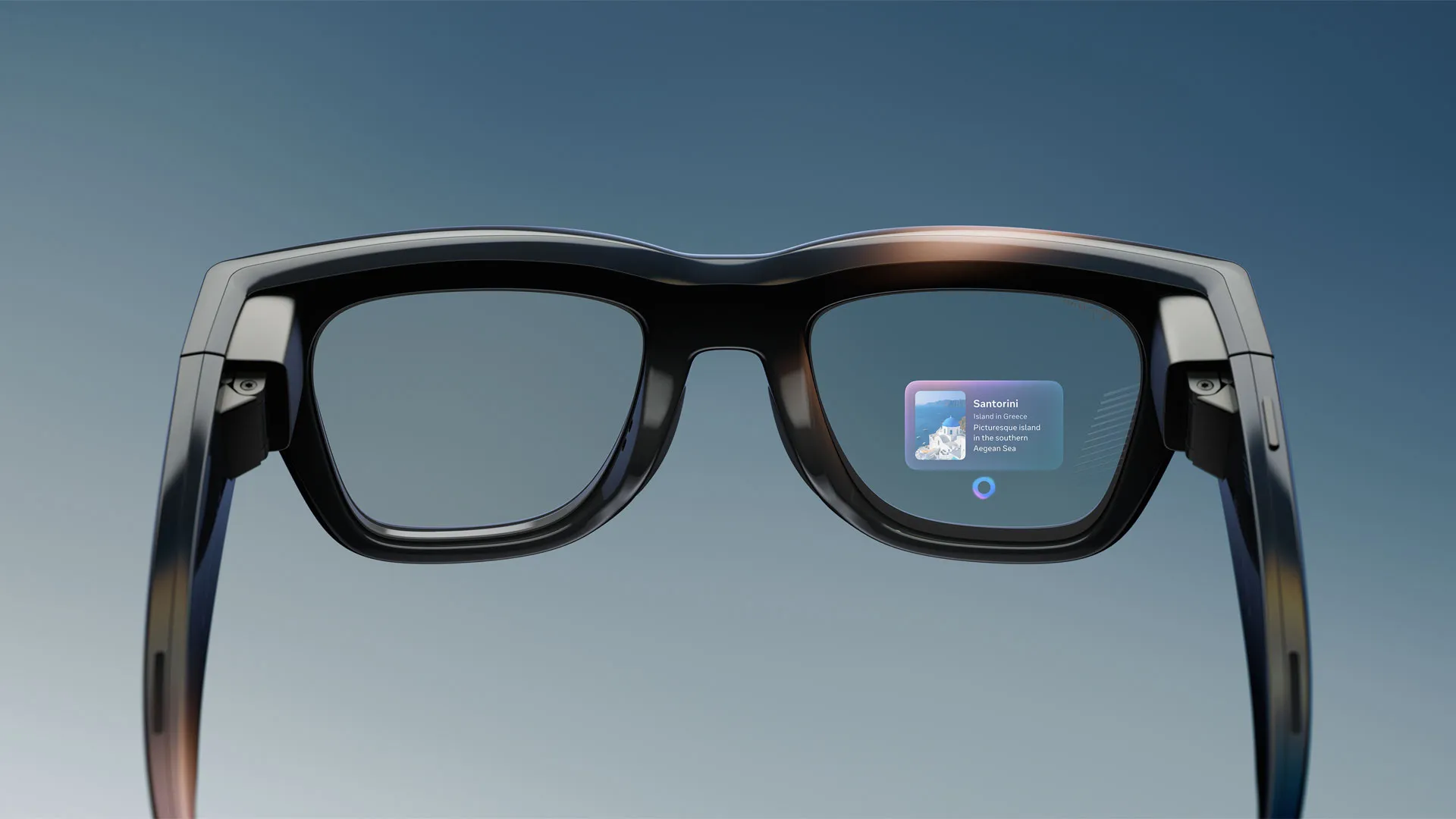
Other use cases could be alerting users to obstacles, although this depends on data speeds, and with the caveat that it cannot currently replace a primary mobility aid such as a cane or guide dog.
Add to this the ability to obtain visual assistance from those who can see what is displayed through the smart glasses and then being able to communicate via the built-in microphone to speak to the individual by the medium of video call, and the possibilities are (nearly) endless.
What glasses exist for blind or low vision users currently, and is the cost a factor?
A quick overview of Smart Glasses
Meta’s range of smart glasses are a good use case for many, with AI built-in and third party app support for visual interpretation apps such as Be My Eyes and Seeing AI, which allows for users to access their preferred options when it comes to in-person or AI support.
Other glasses such as the recently released Envision Ally Solos
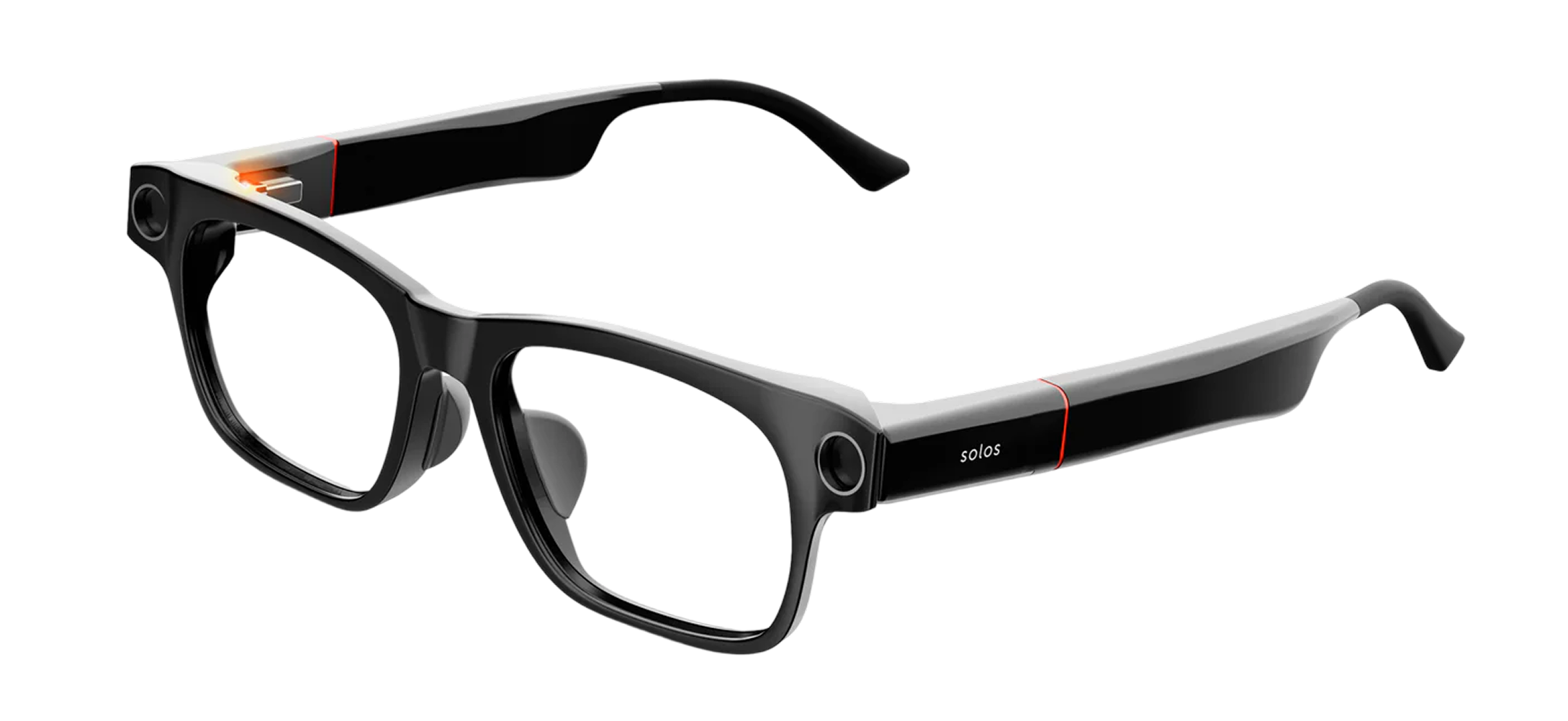
and the new EchoVision Glasses from AGiGA , offer a combination of AI and the ability to interact with a real person to give a higher level of support for blind users.
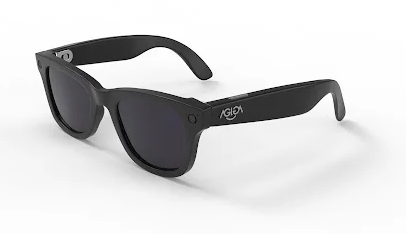
Although some users have owned Smart Glasses for a some time, it is likely due to the recent updates to Meta and other companies such as AGIGA which have increased uptake from users who wish to have multiple ways of gaining independence. While cost is not likely a factor, with the EchoVision early adopter fees starting at £349 and rising to over £400 once standard rates are applied; the independence gained by such a product is likely to be attractive to many. Deciding which glasses are the right fit can be confusing if you're not able to see the product, so it's advisable to get as much information about the glasses as possible if ordering online, something which can only be done exclusively with the EchoVision and Ally Solos options. Users of Meta Glasses do have the option to visit an electrical store to view and try a pair on before you buy; however, in all instances it’s worth remembering that a 30-day money back period is available.
What to look for if you’re considering Smart Glasses as a blind person?
As a blind person myself, AI accuracy, battery life, and adequate processing speed are key as well as privacy. While I’m mainly focusing on the accessibility angle for this article, privacy may be a concern for some, given the use of AI and the recording function of some Glasses; however, this is a consideration regardless of a user’s access requirements. Use of batteries for Smart Glasses is covered by the ability to place your AGIGA Glasses into a charging case like you would a pair of AirPods or similar, or to connect them to a portable power bank. Ally Solo’s from Envision comes with detachable arms, which can charge and be replaced when ready to use.
A consideration for many blind users is how good the AI is, which is something in all honesty I could not discuss for Smart Glasses given that I don’t own any. That said, AI as we all know is evolving, and the ability to switch from real person to AI as required is a plus. One other thing which accessible Smart Glasses offer is the ability to use them like a pair of Bluetooth headphones. This is particularly encouraging as users will be able to hear guidance instructions and keep their device in a pocket or bag, maintaining good security and mobility while out and about.
Conclusion
In conclusion, it’s worth trying before you buy if you can; however, knowing that in the case of Ally Solo’s and AGIGA’s EchoVision there is a 30-day return policy for a full refund at the time of writing, features such as the ability to obtain AI or in-person description are available, and integrating with well-known third-party apps for blind users is also a huge selling point. So, would I purchase any yet? No, but that’s because I want to see how the products work in a real-life scenario from reviews, but the demos look very promising.
Find out more about each set of Glasses mentioned in this article from the AppleVis Website .
Michael Taylor | Senior Accessibility Analyst, Comms and Training Manager
for the Digital Accessibility Centre